An Introduction
Picking the wrong soil type is one of the most expensive landscaping mistakes a homeowner can make. It’s not because the materials are expensive; it’s because fixing a lawn that didn’t work, a garden bed that isn’t doing well, or a new tree that is dying costs a lot more in time, labor, and replanting than just getting it right the first time. Topsoil, fill dirt, and compost are three very different types of soil that have very different uses. Mixing them up can have real, visible effects in just one growing season.
At Randles Sand & Gravel, we’ve worked with homeowners and contractors across the South Puget Sound since 1987, and we’ve seen every version of this mistake. This guide is how we help people avoid it.
Here, we break down the full topsoil vs. fill dirt vs. compost comparison, explain the difference between topsoil and fill dirt, and give you clear, practical guidance on how to choose soil for landscaping projects, whether you’re starting a new lawn, building raised beds, or installing trees and shrubs.
What Is Topsoil?
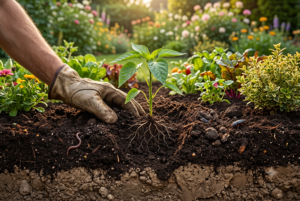
Topsoil is the upper 4–8 inches of earth where nearly all biological activity takes place. It holds a natural balance of mineral particles, organic matter, and microbial life that plants depend on to anchor their roots, access nutrients, and manage moisture.
Not all topsoil is the same. The quality of the product can vary a lot depending on where it comes from. That’s why we at Randles offer purpose-blended options like Lawn Mix, Garden Mix, and Commercial Mix, each made for a specific use instead of being sold as a generic product.
Key attributes of topsoil:
- Moderate organic content and nutrient availability
- Loose enough for root penetration, structured enough to hold moisture
- Suitable as a standalone growing medium for lawns, gardens, and plantings
What Is Fill Dirt?
Fill dirt is dirt that has been dug up from below the topsoil layer. It has very low organic content and is not intended to support plant life. Its strength is structural: it compacts well under load and holds grade over time.
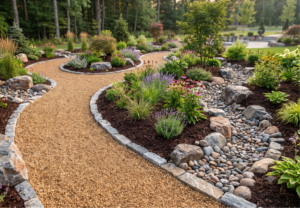
What to use fill dirt for: correcting elevation, filling in gaps before hardscaping, building a base under a retaining wall, or leveling off areas that collect standing water. Fill dirt has its place in landscaping, but only if it’s used for the right job and always covered with good topsoil before planting.
What Is Compost?
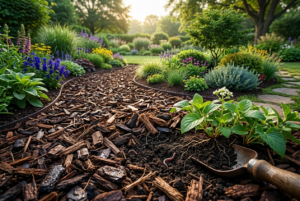
Compost is fully decomposed organic matter. It doesn’t make soil on its own; it’s a soil amendment, which means its value comes from what it does to the soil it’s mixed with. Compost improves drainage in heavy clay, keeps moisture in sandy ground, feeds helpful microbes, and slowly releases nutrients over time when mixed into topsoil. Quality compost is also heat-processed, which kills weed seeds, making it cleaner for direct planting applications than most raw topsoil.
Side-by-Side Comparison: Topsoil vs. Fill Dirt vs. Compost
| Topsoil | Fill Dirt | Compost | |
| Organic Content | Moderate | Very Low | Very High |
| Standalone Growing Medium | Yes | No | No |
| Best Use | Lawns, gardens, plantings | Grading, structural fill | Soil amendment, raised beds |
| Drainage | Good | Poor | Excellent |
| Weed Seed Risk | Moderate | Low | Low (if heat-processed) |
| Compaction Risk | Low | High | Low |
This is the foundation of how to choose soil for landscaping: match the material to the function, not the price point or availability.
One rule that professional landscapers never break: the material beneath the plant determines what the plant becomes. Spend here, and everything above it performs.
Why Soil Drainage Shapes Plant Success More Than Most People Realize
Most homeowners focus on what they’re planting. Experienced landscapers focus on what water does after it rains. That shift in thinking changes outcomes entirely.
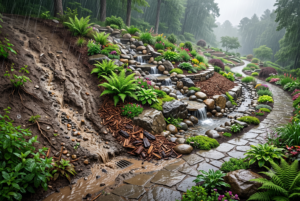
When soil doesn’t drain properly, water fills the pore spaces that roots depend on for oxygen. Roots of plants need both water and air. If they don’t get enough air, their roots stop working properly, and even if they get enough water, the plants start to die. This is why using compacted fill dirt without a proper layer of topsoil on top of it always leads to plants that don’t do well.
In the Pacific Northwest, especially in Gig Harbor, Port Orchard, and Steilacoom, where there is a lot of rain in the winter, drainage is not a secondary concern. Before you buy anything, you can save a whole project by doing a simple percolation test. Dig an 18-inch hole, fill it with water, and time the drainage. Healthy soil drains 1–3 inches per hour. Slower than that, and drainage correction belongs in the plan before any soil is ordered.
1. Best Choice for Lawns
For new lawn installation or lawn renovation, screened topsoil is the primary material, a minimum of 2–4 inches across the entire planting area. Our Lawn Mix at Randles is blended specifically for turf and gives grass roots the loose, nutrient-rich environment they need to establish quickly and fill in evenly. For heavily depleted or compacted ground, blending compost into the soil before laying topsoil adds measurable improvement to how quickly the lawn establishes.
Customers throughout Tacoma, Lakewood, and Bonney Lake, WA, regularly use our Lawn Mix for both new installs and turf repair, and the results speak for themselves when the material is matched correctly to the application.
2. Best Choice for Gardens and Raised Beds
This is where the soil vs. compost for garden beds question comes up most often, and the answer is that both materials belong in the mix, in the right ratio.
This balance is already built into our Garden Mix, which is a good choice for people in Graham, Lakewood, and Bonney Lake, WA, who want to skip the mixing step. The right soil mix for raised beds blends the two: approximately 60% screened topsoil to 40% compost for vegetable gardens and 70/30 for ornamental beds.
Our Garden Mix is formulated with this balance already built in, a practical choice for customers in Graham, Lakewood, and Bonney Lake, WA, who want to skip the on-site mixing step. For ongoing garden soil and compost tips, we recommend refreshing the top layer of compost each spring to maintain soil structure and nutrient availability as organic matter breaks down.
3. Best Choice for New Trees, Shrubs, and Landscape Plantings
When it comes to compost vs. topsoil for planting woody plants, stability matters as much as nutrition. The backfill material will determine how deep and wide the roots will grow over time, making trees and shrubs a long-term investment.
The right way to fill in planting holes is to use a mix of native soil and good screened topsoil, with no more than 20–30% compost. If you put too much compost in a tree pit, it can cause drainage problems and hold moisture against the root crown. For large landscape installs in Tacoma or Port Orchard, fill dirt often handles initial grading, with 4–6 inches of quality topsoil as the final growing layer for ornamentals and ground covers.
Common Mistakes to Avoid
- Planting into fill dirt without a proper topsoil layer on top
- Using pure compost as a standalone growing medium in raised beds
- Laying seed or sod over less than 2 inches of topsoil
- Skipping a drainage assessment before any material is ordered
- Using Lawn Mix and Garden Mix interchangeably — they are blended for different root environments
The Right Foundation for Everything You Grow
The topsoil vs. fill dirt vs. compost distinction is not a technicality — it’s the single most important decision in any planting project. Fill dirt makes things stronger. Topsoil helps roots grow. Compost makes the soil richer and more active. When used correctly and in the right order, they give every lawn, garden bed, and new planting the support it needs to last for years.
At Randles Sand & Gravel, we’ve supplied quality landscape materials, including topsoil delivery in Tacoma WA and across the South Puget Sound, since 1987. With three locations serving the region, including Randles Sand & Gravel in Puyallup, Purdy Topsoil & Gravel in Gig Harbor, and Lynch Creek Quarry in Eatonville, we carry everything from screened Lawn Mix and Garden Mix to compost and structural fill.
Our team has worked with homeowners and contractors in Tacoma, Graham, Lakewood, Port Orchard, Steilacoom, Gig Harbor, and Bonney Lake, WA, long enough to understand that the right material recommendation depends on the specific project, not a one-size-fits-all answer.
Call us today at (253) 531-6800, or stop in at the location most convenient for you. Our team is ready to help you choose the right product, calculate the right volume, and get it delivered to your project site.