An Introduction
Winter doesn’t give you any warning before it comes, and your landscape doesn’t have time to get ready. The hard truth? Most problems with your yard don’t happen because of the winter weather; they happen because of things you didn’t do before winter came. Dead plants, soil that has washed away, hardscape that is cracked, and garden beds that are flooded are all signs that you didn’t prepare properly for the season. When drainage systems fail, frost heaves plants out of the ground, and unprotected roots freeze solid, you’re not just looking at an ugly yard come spring; you’re staring down a complete landscape rebuild. If you need landscape materials suppliers in Tacoma or landscape materials contractors in Graham, the difference between a beautiful outdoor space and a disaster is using the right materials at the right time. Since 1987, Randles Sand and Gravel has been helping property owners avoid these problems that can be avoided.
This guide to seasonal landscaping tells you exactly what materials you need to protect your plants in the winter and help them grow in the spring. We’ll show you everything from how to fix drainage problems to how to improve the soil so that your landscape not only survives the cold months but also comes back stronger.
Essential Winter Preparation Materials
It’s not hard to get your yard ready for winter, but you do need the right tools. Protective mulches, drainage aggregates, and soil conditioners are the three most important types.
1. Bark Mulch for Root Protection
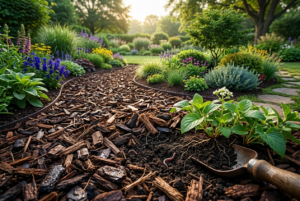
A thick layer of landscape bark, 3 to 4 inches thick, protects your plants in the winter. It keeps roots warm when the weather changes a lot, stops the freeze-thaw cycle that pushes plants out of the ground, and keeps moisture in during dry winter months. Use it after the first frost but before the ground freezes all the way.
2. Drainage Rock Essentials
Here’s the thing about Pacific Northwest winters: water is your biggest enemy. Poor drainage kills more landscapes than cold temperatures ever will. Our drain rock and crushed rock products keep water moving away from foundations, roots, and hardscape. The ⅝-inch crushed rock handles French drains beautifully, while pea gravel works great for areas that need serious water flow.
3. Compost for Soil Building
Spreading 2 to 3 inches of compost over your beds in the fall gives you a massive head start on spring. Even in cooler weather, the microorganisms keep working to break down organic matter and support healthier soil structure. By the time planting season rolls around, you’ve got nutrient-rich, friable soil ready to support serious growth.
| Material | Depth | What It Does |
| Landscape Bark | 3-4 inches | Insulates roots, holds moisture |
| Drain Rock (⅝”) | 4-6 inches | Prevents standing water and ice damage |
| Compost | 2-3 inches | Enriches soil through winter |
| Crushed Rock | 3-4 inches | Stabilizes walkways and foundations |
Hardscape and Tool Checklist for Cold Months
Your hardscapes face serious stress during winter: freeze-thaw cycles, salt exposure, and heavy snow loads. Smart material choices prevent spring repair headaches.
1. Pathways and Driveway Stability
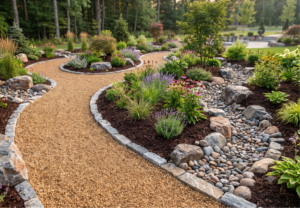
Winter walkways need to drain well, or ice becomes a huge problem. Our 1 ¼-inch crushed rock compacts tightly while letting water pass through. Those angular edges interlock naturally, creating a base that won’t heave when frost hits.
2. Erosion Control
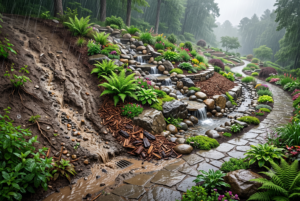
Winter storms dump serious precipitation that’ll wash exposed soil right down the hill. Strategically placed gravel stops erosion while looking good. Our washed gravel comes in sizes for everything from decorative dry creek beds to functional slope barriers.
3. Winter Sand Products
Mason sand and washed sand provide traction on ice without harsh chemicals and work great for emergency concrete repairs during unexpected winter thaws. Stock up in the fall when sourcing landscape materials in Lakewood, so you’re ready when you need them.
Irrigation and Drainage Prep
Water management makes or breaks your winter landscape survival. Get it right now, skip expensive spring repairs later.
1. Winterizing Your System
Blow out your irrigation lines with compressed air before the first hard freeze. Our pipe bedding sand cushions those lines against freeze damage from ground expansion, preventing failures that show up when you fire the system back up in spring.
2. French Drain Installation
French drains are the gold standard for moving excess water where you want it. Use clean ⅝-inch crushed rock wrapped in filter fabric to keep soil from clogging the system. Landscape materials professionals in Port Orchard recommend getting French drains in before winter, which means they’re working during the wettest months. Make sure your slope runs at least 1% grade so gravity does the work.
3. Swales and Dry Wells
Natural swales handle heavy precipitation while looking attractive. Line the bottom with round rock, and use crushed rock on the sides for stability until plants fill in come spring. For properties with poor drainage, dry wells filled with crushed rock and drain rock give excess water somewhere to go while it slowly soaks into the surrounding soil.
Soil and Plant Care for Spring Growth
Spring success starts with fall and winter soil prep. While plants sleep, you’re building the foundation for explosive growth.
1. Topsoil Selection and Application
We carry three topsoil blends: commercial mix for general landscaping, lawn mix optimized for turf, and garden mix loaded with organics for vegetables and flowers. Spread 2 to 4 inches over existing beds in late fall or early winter. Winter moisture helps new soil integrate with what’s already there, so spring planting beds are ready immediately.
2. Compost Integration
Fall-applied compost transforms both clay and sandy soils. Spread it 2 to 3 inches deep and work it gently into the top 6 inches. Winter’s freeze-thaw cycles naturally incorporate it deeper, improving water retention in sand and drainage in clay. For landscape materials in Steilacoom, homeowners prefer compost that delivers the most value.
3. Bark for Weed Prevention
A 3-inch cedar bark layer applied in the fall blocks light and creates a physical barrier against weed seeds. Come spring, you’re pulling far fewer weeds. Plus, as the bark breaks down, it adds organic matter back into your soil.
4. Spring Activation
When soil temperatures hit 50°F consistently, top-dress beds with another inch of compost. This spring refresher, combined with your fall prep, gives plants everything they need when they need it.
Pruning and Cleanup Tips
Late winter cleanup and pruning set the stage for a killer growing season. Smart material management during this window prevents problems and improves your landscape’s look.
1. Debris Management
In the winter, fallen branches, leaves, and storm debris can create ideal conditions for pests and disease. A good cleaning stops these problems before they start. Get rid of all sick plant material; don’t compost it, or you’ll spread pathogens back into your yard.
2. Pruning Window
Late winter pruning, while plants are dormant, causes minimal stress and gives you clear views of branch structure. Remove dead, damaged, or crossing branches with sharp, clean tools. Cut just above outward-facing buds to encourage good growth direction.
3. Bed Edge Definition
Redefine garden bed edges with our crushed rock or landscape rock. Clean edges look professional, prevent grass from invading beds, and contain mulch where it belongs. Install a 3 to 4-inch-wide border around bed perimeters. When looking for landscape materials in Bonney Lake, WA, contractors use quality edging materials that make a noticeable difference.
4. Spring Mulch Refresh
After cleanup and pruning, add fresh bark to restore that 3-inch depth. Winter weather compacts and breaks down existing mulch. A spring refresh maintains weed suppression and moisture retention while giving beds a clean appearance. Pull mulch 2 inches away from plant stems to prevent rot.
Getting Your Landscape Ready for Success
Landscapes that do well are the ones that get ready for the seasons in a smart way. Using high-quality materials to protect your outdoor spaces from winter and get them ready for spring will help them survive harsh weather and grow quickly.
At Randles Sand and Gravel, we’ve been supplying landscape materials in Gig Harbor and Eatonville. Homeowners and contractors have relied on it since 1987. Our three locations, Randles Sand & Gravel in Puyallup, Purdy Topsoil and Gravel in Gig Harbor, and Lynch Creek Quarry in Eatonville, stock everything from crushed rock and topsoil blends to bark products and specialty aggregates. Our experienced team calculates material quantities, answers questions, and arranges delivery straight to your project site.
Ready to get your landscape prepped for success? Contact Randles Sand & Gravel at (253) 531-6800 to speak with our team about your seasonal landscaping needs.