Every spring, it’s the same exhausting story. Fresh bark mulch fades by July. Landscape gravel shifts into weedy messes. Patios crack, pathways sink, and drainage issues turn yards into muddy disasters. The wrong landscaping materials mean constant work, endless replacements, and zero time to actually enjoy your outdoor space. At Randles Sand and Gravel, we’ve seen this cycle repeat for nearly 40 years, and honestly, there’s a much better approach.
This guide walks you through the real differences between hardscape materials—decorative rock, driveway gravel, organic mulches, and more, so you can build a low-maintenance yard that actually works with your climate.
Why Hardscape Choices Matter
Your material choices shape how your property functions in the long term. Get it right from the start, and everything else falls into place. Get it wrong, and you’re fixing problems for years.
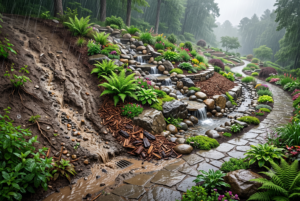
Water management matters most. Landscape gravel and crushed stone let rainwater soak naturally into the ground instead of racing off and carving erosion channels. This is huge on slopes or near foundations where standing water causes real damage. Water-wise landscaping works with nature’s drainage, not against it.
Here’s the maintenance reality—rock and gravel lasts decades with basically zero upkeep. No fading, no yearly replacement, no bugs moving in. Materials needing annual refresh? The time and money add up fast.
Quick Reality Check: A quality gravel pathway today could still look great when your grandkids visit, while that same path in organic mulch needs 15-20 complete replacements.
Climate dictates what works. Materials perfect for desert heat crack through freeze-thaw cycles. Dense stones hold summer heat that stresses plants. Light-colored rock reflects heat and stays cooler underfoot. Get this right, and you skip expensive do-overs.
Rock and Gravel: The Backbone of Low-Maintenance Design
Decorative rock and landscape gravel are the best materials for smart outdoor hardscaping because they last for decades with little effort.
Types and Applications
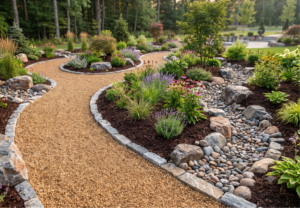
- Pea Gravel – Made up of smooth, rounded stones. Comfortable underfoot, great for patios and garden pathways. Just needs edging to stay put.
- Crushed Gravel – Angular pieces that lock together when packed. Perfect for driveway gravel and high-traffic spots. Won’t shift under weight.
- River Rock – Water-worn stones in grays, browns, and tans. Sizes run 1-3 inches. Beautiful around water features and dry creek beds. Larger ones stay anchored in storms.
- Large Stone (4-8″) – Can handle a lot of water flow under downspouts and in drainage areas. Great for stopping erosion.
| Material | Best For | Why It Works |
| Pea Gravel | Pathways, play areas | Comfortable, drains well |
| Crushed Rock | Driveways, traffic zones | Stays stable, compacts tight |
| River Rock | Accents, water features | Natural look, variety |
| Large Stone | Drainage control | Handles heavy flow |
The colors go from white and gray to warm tans, rusty reds, and black basalt. Light stones make dark areas brighter. Darker ones soak up heat, which makes growing seasons longer in cooler areas.
The benefits? Rock doesn’t decompose, fade, blow away, or attract termites. Maintains soil moisture while improving drainage. Unlike organic mulches that compact, gravel lets air reach roots. Needs proper prep upfront, but ongoing costs are practically nothing.
Organic Mulch: Bark and Wood Chips for Planting Beds
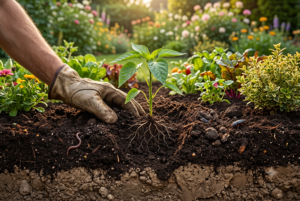
Where plants grow, organic materials work best. Bark mulch and wood chips complement permanent hardscaping perfectly.
Temperature regulation is key—mulch keeps roots cooler in summer and warmer in winter. Extends growing seasons and cuts plant stress. As bark mulch breaks down, it feeds nutrients back into the soil and improves structure.
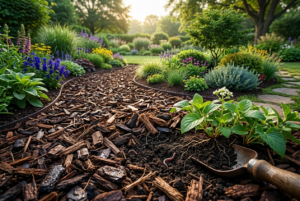
Moisture retention matters in planting beds. Two to three inches of wood chips cuts water evaporation way down, meaning less watering. Shredded bark stays put on slopes. Cedar chips last longer and repel insects naturally. Hardwood mulches balance longevity with soil improvement nicely.
Fresh mulch looks clean and polished. Natural browns and reds work with most plantings. Just keep it pulled back from the stems to avoid disease. The catch? You should update it once a year or every other year. When you mix different types of landscaping materials, use organic mulch in planting beds and gravel for paths and structures.
Pavers, Stepping Stones, and Edging
Solid hardscaping pieces give things shape and can handle a lot of use. Pavers are great for patios, walkways, and garden pathways. Concrete is cheap, natural stone is unique, and brick adds warmth that lasts.
The modular setup is smart—replace individual pieces without tearing everything up. Proper installation lets surfaces flex through freeze-thaw without cracking. Stepping stones create informal paths through beds. Space them 18-24 inches apart and fill between with landscape gravel.
Edging defines borders and keeps loose materials contained. Metal gives clean, invisible lines. Stone or brick makes a visual statement. Good edging stops landscape gravel from creeping into lawns and keeps pavers aligned—essential for that crisp, finished look.
Choosing the Right Material for Your Climate and Budget
Smart picks balance climate, use, looks, and budget. Climate guides everything. In freeze-thaw areas, choose materials that flex without cracking. Driveway gravel with angles compacts well but still moves with ground shifts.
For water-wise landscaping in dry climates, go permeable. Decorative rock and gravel support drought-tolerant plants while cutting irrigation needs. Heavy rainfall areas need materials that channel water and resist erosion.
Consider the initial costs and the costs of upkeep over time. Natural stone costs more at first, but it lasts forever in places where it can be seen. Landscape gravel is an affordable way to cover large areas. Organic bark mulch is cheap at first, but you have to replace it often.
Low-maintenance yard goals fit naturally with hardscaping. More prep initially, but you eliminate recurring expenses. Calculate 10 or 20 years of ownership, not just today’s bill. Spend smart on high-use areas. Mix materials strategically: decorative rock for focal points, basic crushed stone for function, and organic mulch only where plants need it.
Building Outdoor Spaces That Last
Creating spaces with beauty, function, and minimal upkeep means picking the right hardscape materials for your situation. From driveway gravel to garden pathways, decorative rock and landscape gravel provide long-lasting solutions. Bark mulch is good for planting beds where the health of the soil is important. Using pavers, stones, and edging wisely keeps everything in order and in place. The best designs put each material where it works best. This is how you getoutdoor hardscaping that looks good and raises the value of your property.
We at Randles Sand and Gravel have been supporting landscape projects since 1987. Our team knows what works in this climate and stocks everything you need: crushed rock, decorative rock, bark mulch, topsoil, and more. Three convenient locations serve Graham, Lakewood, Port Orchard, Gig Harbor, Steilacoom, Tacoma, and Bonney Lake, WA. We deliver what you need with the guidance to choose right the first time.
Ready for a low-maintenance yard that looks great and performs for years? Call us at (253) 531-6800 to talk through your vision. Stop by one of our locations today; let’s get your outdoor space working the way it should.