Introduction
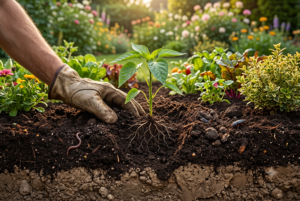
Soil left exposed to the elements degrades faster than most homeowners realize. Each heavy rain packs the surface a little tighter, each dry spell pulls moisture out faster than it can be replenished, and each season without protection wears away organic matter that plant roots need to function properly. Left unaddressed, the damage compounds. Compacted, depleted soil forces roots to work harder for less; plants show stress even with regular watering, and homeowners end up replacing shrubs and perennials that should have thrived for years. Randles Sand & Gravel has supplied the materials that interrupt this cycle since 1987, and bark mulch remains one of the most effective and most misunderstood tools for doing it.
This blog takes a look at what’s really going on underneath, going beyond the basic mulch advice most people have already heard. Why bark behaves differently than other ground covers, how it compares to gravel, and what the research says about using it correctly- you will know more about what is protecting your soil than most people who have been gardening for years by the time you are finished.
Choosing the Right Bark Mulch for Lasting Curb Appeal
Not all bark products react the same way after they are applied, and the differences are more than just color.
Particle Size Changes How Mulch Performs
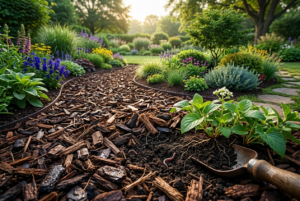
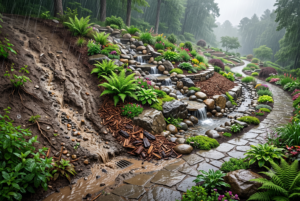
Larger, coarser pieces of bark resist wind and rain displacement better, and are therefore a better choice for sloped beds or areas exposed to runoff. A finer bark will form a tighter, more uniform layer that is best used in entrance areas and front-facing beds where appearance is most important. Bark is the outer layer of protection for a tree, and it contains lignin and suberin, which is why bark mulch holds its shape and color much better than mulch made from wood chips from the inside of a tree. This slower breakdown means less reapplication and more consistent coverage, protecting the soil below, season after season.
Darker bark tones tend to hold their color longer under UV exposure, which matters if the bed sits somewhere it gets full sun most of the day. For beds tucked in shade or dappled light, lighter bark can work just as well without fading as quickly as it would in full exposure.
Key Benefits of Bark Mulch for Modern Landscapes
The advantages go beyond keeping weeds down, though that’s the benefit most homeowners notice first. A proper layer of bark will moderate the soil temperature, buffering the roots from sudden heat spikes and cold snaps that stress bare soil much more directly. It reduces the mechanical impact of rainfall. Water hitting bare dirt compacts the surface and can dislodge topsoil, especially on any kind of grade. A mulch layer takes that impact first and lets water reach the soil more gradually.
There’s also a persistent myth worth addressing directly: that mulch depletes soil nitrogen. Research on wood-based mulches shows that the microbial activity that causes nitrogen to be consumed during decomposition happens almost entirely within the mulch layer and a narrow transition zone at the surface, and not at the root level. Over time, in fact, the amount of nitrogen actually tends to increase in the soil beneath as the layer slowly decomposes. Ignoring mulch on this matter means that you are giving up real protection against a risk that does not exist.
A two-inch layer of bark mulch can meaningfully slow moisture loss from soil, but a four-inch pile stacked against a trunk can rot the very bark it’s supposed to protect.
Bark Mulch vs. Landscape Gravel: Which Is Better?
Neither material is universally superior. Each solves a different problem, and most landscaping regret comes from using the wrong one in the wrong spot.
| Consideration | Bark Mulch | Landscape Gravel |
| Soil interaction | Adds organic matter as it decomposes | Inert, contributes nothing to soil |
| Moisture behavior | Retains and regulates moisture | Drains quickly, doesn’t hold water |
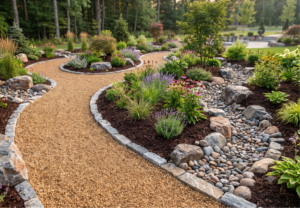
| Best placement | Garden beds, around trees and shrubs | Pathways, drainage zones, high-traffic areas |
| Long-term upkeep | Needs periodic refresh | Rarely needs replacing |
| Temperature effect | Insulates soil, moderates swings | Can absorb and radiate surface heat |
The truth is, the real answer to mulch vs. gravel is usually not to pick one for the whole yard. Bark is useful in beds with plants that need consistent moisture and nutrients. Landscape gravel is better for paths and drainage channels that may be prone to erosion, as it will not break down or erode like organic material will eventually.
Combining both, using each where it performs best, is typically the smarter long-term approach.
How Bark Mulch Supports Water-Wise Landscaping
As summer water restrictions and higher temperatures are becoming more common across the region, mulch has moved from a nice-to-have to a functional component of any water-conscious landscape.
Getting Depth and Placement Right
Two to three inches of bark mulch is generally enough to meaningfully slow evaporation without suffocating roots or trapping moisture against stems, where rot can develop. Piling mulch too high against a trunk, sometimes called volcano mulching, works against the goal entirely. Rather than protecting the tree, it holds moisture against the bark, promotes decay and, over time, can push roots upward into the mulch instead of downward into stable soil.
Applied correctly, mulch becomes one of the more practical yard drainage solutions available for slowing runoff without expensive regrading, and it plays a direct role in landscapes built around drought-tolerant yards, where every bit of retained moisture reduces how often irrigation needs to run.
Choosing the Right Bark Mulch for Lasting Curb Appeal
Beyond the soil science, mulch remains one of the fastest ways to refresh a property’s appearance without a full landscaping overhaul.
A fresh layer instantly sharpens the edges of a bed, creates contrast against greenery, and gives a yard a more finished look- the kind of detail neighbors and buyers notice even when they can’t pinpoint why a property looks well cared for. Timing matters here too. Refreshing beds in early spring or early fall gives mulch time to settle before extreme heat or heavy rain sets in, and reapplying every year or two, rather than waiting until the old layer has fully broken down, keeps both the protective benefits and the appearance intact. This kind of ground cover consistency has become part of broader landscaping trends in 2026, where organic garden ground cover paired with drought-tolerant plantings is steadily replacing high-water lawns as the default look for residential yards, reflecting a wider shift toward eco-friendly landscaping across the region.
The Real Payoff of Getting Mulch Right
Soil that’s protected, insulated, and properly fed performs differently than soil left to fend for itself, and the difference shows up in plant health, water use, and how often beds need to be redone from scratch. Bark mulch, applied at the right depth and refreshed on the right schedule, does work most homeowners never see happening beneath the surface.
Randles Sand & Gravel has supplied landscape bark, compost, and a full range of soil and gravel products across the South Puget Sound since 1987, and our team understands how these materials perform differently depending on soil type, sun exposure, and what a given bed actually needs. We work with homeowners and contractors across Tacoma, Gig Harbor, Lakewood, Graham, Port Orchard, Steilacoom, and Bonney Lake, WA, helping them figure out not just how much material a project needs, but which material belongs where.
If your beds are due for a refresh before the next dry spell or heavy rain sets in, call our team at (253) 531-6800 to talk through what your yard actually needs.