Every yard problem that homeowners blame on bad luck – grass that thins no matter how much it is watered, shrubs that turn yellow and shed leaves in a season, water that won’t drain after repeated aeration – can be traced to a layer of ground that almost no one thinks to inspect. That surface layer keeps working against every plant and every dollar spent on fixing it, because the real failure is a few inches down. Fertilizer and reseeding only delay the same outcome when the soil itself can’t support root growth. It’s a problem our team at Randles Sand and Gravel deals with constantly, and one solved by replacing what’s failing underground.
This guide covers what topsoil is actually made of, why the ground beneath much of the South Puget Sound works against homeowners more than most realize, and how choosing and applying the right blend changes what a lawn or garden can do. We also go into depth and application details that most guides skip, so no guessing once material arrives.
What Is Topsoil and What Does It Contain?
The term “topsoil” is used loosely, but the difference between a biologically active mix and dirt scraped off a job site becomes obvious quickly once something is put in it.
The Four Building Blocks
| Component | Approximate Share | What It Does |
| Minerals (sand, silt, clay) | ~50% | Determines drainage and texture |
| Air | ~23–25% | Lets roots respire |
| Water | ~23–25% | Moves nutrients to roots |
| Organic matter | ~2–5% | Feeds microbes, holds nutrients |
The smallest slice is organic matter, which actually keeps a landscape alive year over year.
Not All “Topsoil” Is Actually Topsoil
Material sold cheaply as topsoil is sometimes subsoil or excavation fill mixed with debris, weed seed, or compacted clay that never supported plant life. Pale color, gritty texture, and a sour smell all indicate material that will not perform as the invoice would suggest. The difference between a lawn that establishes and a lawn that has to be redone is buying topsoil delivery in Puyallup or Tacoma from a supplier who can tell you exactly what is in the blend.
Why Is Topsoil Important for Healthy Plant Growth?
Plants are completely dependent upon a root zone that will retain water, oxygen, and organic matter long enough for absorption. In this area, that root zone is starting out at a disadvantage.
1. The Hardpan Problem Beneath Puget Sound Lawns
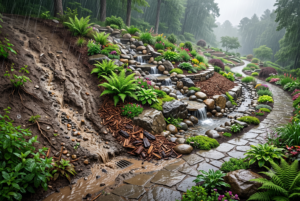
Most of the South Sound is built on glacial till, and large parts of it have a dense, compacted layer known locally as hardpan, usually buried eighteen to thirty-six inches down. That layer is often nearly impenetrable to roots and water, forcing rainfall to collect above it as a perched water table instead of draining away. It’s why yards near topsoil delivery in Gig Harbor requests and topsoil delivery in Lakewood projects so often show the same pattern: soggy patches, stunted roots, and lawns that stay wet for days. Working the native soil harder doesn’t fix a hardpan problem; building a proper topsoil layer above it does.
2. Organic Matter Percentages That Actually Matter
For lawns, organic matter should generally be two to three percent of the soil, and four to six percent for garden beds. Below that, soil loses its ability to hold moisture or feed roots reliably, which is why new plantings often look good for a couple of weeks before stalling out for good.
How Does Topsoil Improve Lawn and Garden Quality?
A proper topsoil layer solves many problems at the same time. Deeper, more porous soil means roots can grow down, not out, and that you’ll have a lawn that can withstand dry spells and a garden that won’t need constant watering. It also interrupts hardpan-driven drainage failure, since enough topsoil gives water somewhere to go before reaching the compacted layer beneath. Homeowners near topsoil delivery in Steilacoom who are dealing with lawns that flood every winter usually see the difference within one growing season. Quality topsoil also:
- Gives new sod or seed a consistent surface to root into.
- Cuts weed pressure by starting beds with clean, screened material.
- Improves how evenly water and fertilizer are absorbed.
- Reduces the erosion and rutting that bare or thin soil suffers in Pacific Northwest rain.
How to Choose the Right Topsoil for Your Landscape
The wrong topsoil is one of the more expensive landscaping mistakes, mostly because the damage doesn’t show until weeks after it’s spread.
1. Reading Topsoil Like a Pro
Dark brown to nearly black is normal; pale tan or gray indicates low organic content. Good topsoil will crumble and make a loose ball when squeezed rather than clump or slide apart like sand. It should smell earthy. A sour or chemical smell is a sign of contamination.
2. Matching the Blend to the Job
A lawn, a vegetable garden, and a grading project all need different formulations, which is why there are separate lawn, garden, and commercial-grade blends, and not one all-purpose product. Homeowners planning renovations near topsoil delivery in Port Orchard areas, and contractors handling topsoil delivery in Bonney Lake, WA, site work, both run into trouble when one soil type gets used for jobs that need three.
| Material | Best For | Watch For |
| Screened topsoil | Lawns, seed beds | Lower bulk organic content |
| Unscreened topsoil | Grading, fill | Rocks, roots, uneven texture |
| Compost | Amending soil, not replacing it | Lacks mineral structure roots need |
How to Apply Topsoil for the Best Landscaping Results
Even correctly chosen topsoil underperforms if it goes down wrong.
1. Depth Guidelines by Project
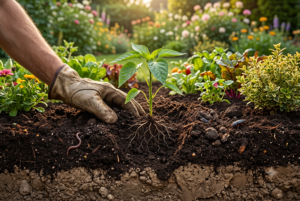
New lawns generally need four to six inches of topsoil, with the deeper end reserved for compacted or clay-heavy ground needing a root zone built from nothing. Garden beds prefer that two to three inches be worked into the existing soil, rather than layered on top, so the new material bonds rather than forms a barrier that roots will not cross. Skipping this for topsoil delivery in Eatonville properties on hardpan-heavy lots, or topsoil delivery in Graham projects on newer fill, tends to produce a lawn that looks fine at installation and struggles within a year.
2. The Settling Mistake Most People Make
Fresh topsoil settles roughly ten to fifteen percent once spread and watered in, which catches people off guard when their “finished” grade sinks below target within weeks. A little extra material is always good, so you can get it a little deeper than the target grade to allow for settling before it becomes a second project.
Building a Landscape From the Ground Up
Every stalled lawn, struggling garden bed, and standing-water complaint traces back to what’s underneath the plants. Understanding the hardpan problem in the area, how much organic matter a lawn or garden really needs, and how deep to put new soil makes landscaping predictable instead of trial and error.
At Randles Sand and Gravel, we’ve supplied topsoil, gravel, bark, and landscape materials across the South Puget Sound since 1987, operating three yards: Randles Sand & Gravel in Puyallup, Purdy Topsoil & Gravel in Gig Harbor, and Lynch Creek Quarry in Eatonville, so homeowners and contractors aren’t stuck waiting on a single truck route. Whether the job calls for a lawn-specific blend, a garden mix, or commercial-grade fill, our staff can help match the material to the project, and our drivers get it there when it’s needed.
If your yard has been fighting you instead of growing for you, the fix likely starts below the surface. Call our team at (253) 531-6800 to talk through your project, or visit one of our three yards to see the material before you order.